
Book by the hour
Chicago Spaces by the Hour for Industry Nights and Weekly Clubs
Chicago has always been a city of borrowed rooms: union halls, church basements, loft floors above the old packing houses. Akkontra opens that same stock by the hour. A West Loop industry night. A Loop briefing during a convention week. A Pilsen gallery that hosts the same reading series every month. A court inside a converted factory on a Thursday.
Most of those rooms stand empty part of the week, and the city has a clear rhythm around them. Trade shows fill the calendar, winter pushes everything indoors, and summer pushes it back outside for a few short months. Booking by the hour lets a club, a cohort or a team work with that rhythm instead of paying rent straight through it, and it pays the owner for hours that used to go to waste.
- 462 spaces
- from $28/hr
- 8 space types

Space types
Browse Chicago spaces by type
Each space type has its own page covering all 8 markets. Open the Akkontra app to narrow one to Chicago, IL.
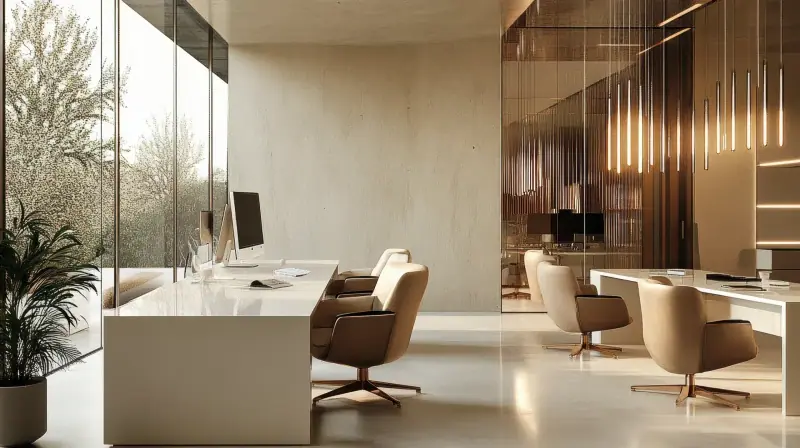
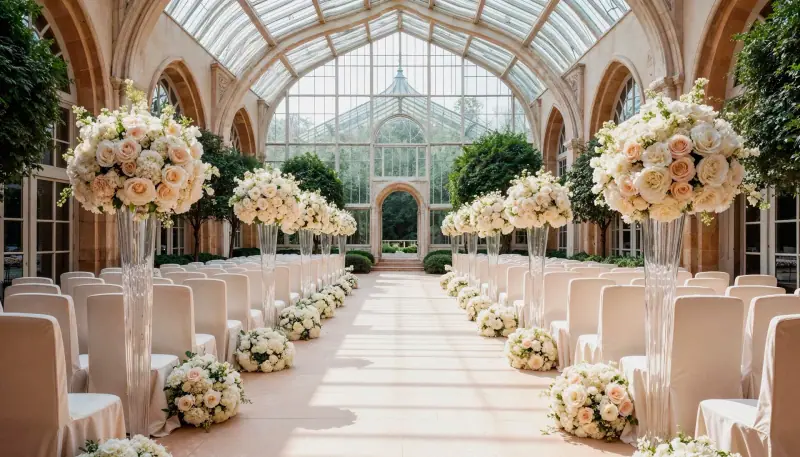
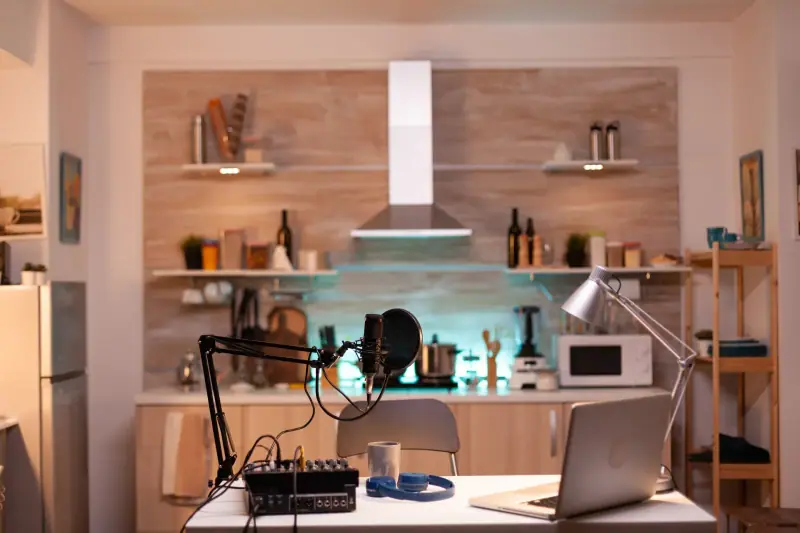


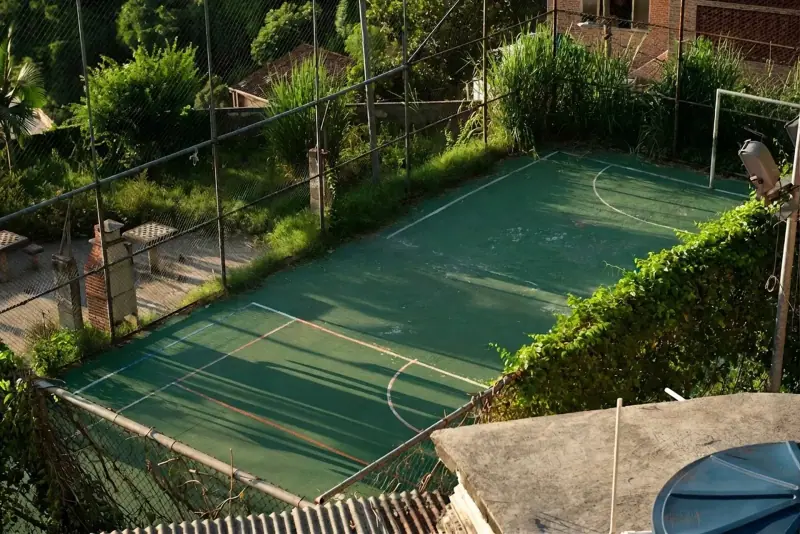




Neighborhoods
Popular neighborhoods in Chicago
Chicago is easy to read once you know which corridor you are on. The Loop is for meetings, the near West Side is for events, and the old industrial belts hold everything that needs a door big enough to drive through.
The Loop
Conference floors, boardrooms and training rooms inside a short walk of Union Station, Ogilvie and most of the L. The right pick when attendees arrive on Metra.
River North
Galleries, showrooms and midsize event rooms with restaurants and hotels on the same blocks. Good for a client dinner that opens with a presentation.
Fulton Market and the West Loop
Lofts of timber and brick with freight elevators, exposed trusses and room for a few hundred guests. The city’s default event district, and priced like it.
South Loop
Larger halls, classrooms and parking close to McCormick Place. The obvious base for a side event during a convention week.
Wicker Park and Bucktown
Small studios, creative offices and character rooms that suit a photo shoot or a workshop of twenty or thirty people.
Logan Square
Event halls, rehearsal rooms and movement studios at friendlier rates than the West Loop, on the Blue Line out toward O’Hare. This is where a club that meets weekly can afford to settle.
Pilsen
Artist studios, galleries and raw rooms along 18th Street, at some of the lowest prices in the city for a space with real character.
Ravenswood
A light industrial corridor beside the Metra tracks holding maker space, workshops, photo studios and storage with genuine loading access.
Lincoln Park
Wellness rooms, small meeting spaces and neighborhood halls. Convenient for a North Side group that would rather not go downtown.
Hyde Park
Lecture rooms, seminar space and halls shaped by the universities, which makes them a natural fit for training and cohort teaching.
Bridgeport and Back of the Yards
Warehouses, truck docks and cheap square footage south of the river for storage, builds and large production space.
Prices
What it costs to rent a space in Chicago
Read the table as a sanity check, not a quote. These are typical hourly ranges for each kind of space across major US metros, and Chicago generally lands at or below the middle of them, which is one reason events move here from the coasts. Every listing carries its own price, including local taxes where Akkontra collects them, and shows it in full before you book.
| Space type | Typical range | Good to know |
|---|---|---|
| Meeting rooms | $35 to $120/hr | A Loop conference floor with staffed reception sits high. A neighborhood day office sits near the floor. |
| Private offices | $20 to $80/hr | Chicago is one of the cheaper large metros for an hourly private room with a door. |
| Creative studios | $40 to $150/hr | Daylight, a freight elevator and a cyc wall push a Fulton Market or Ravenswood studio up the range. |
| Event venues | $80 to $400/hr | A Fulton Market loft on a Saturday in October reaches the top. A weekday afternoon in Logan Square does not. |
| Sports courts | $25 to $90/hr | Indoor court time costs most between November and March, when every league wants the same slots. |
| Parking | $5 to $25/hr | Loop garages and the spots near the United Center on game nights run high. A residential spot on the North Side runs low. |
How it works
How booking works
From search to the door, in four steps.
Search
Filter by location, purpose, headcount and budget. Results are ranked by fit, never by ad spend.
Compare
Real photos, honest reviews and the full price, taxes and cleaning included, side by side.
Book
Instant confirmation on most listings. Pay by card or invoice, cancel free up to 24 hours out.
Enjoy
Access codes, parking notes and the host’s number arrive before you leave. Support is on standby.
Local guide
Your guide to renting space in Chicago
Chicago is a forgiving city to book in. The rooms are big, the rates are reasonable, and the street grid makes everything findable. What catches people out is the season, the convention calendar and the alley.
Fulton Market lofts carry most of the city’s events
The West Loop and Fulton Market hold the largest supply of open loft floors in Chicago: timber beams, brick, tall windows and freight elevators left over from the days when these buildings were cold storage and packing houses. They flex from a workshop of forty people to a wedding, which is why so many bookings end up here.
That popularity has a price. Saturdays in spring and fall go first and go high, and the district is now ringed by residential conversions, so sound limits and end times are tighter than they used to be. If the date matters more than the address, look at Logan Square, Pilsen or Ravenswood for a similar room at a lower rate.
Winter runs the calendar from November to March
Plan indoors for roughly half the year. Wind off the lake and snow make rooftops and gardens unusable, and even the walk from the car becomes part of your event design. Ask where coats go, whether there is a vestibule at the door, and whether the heating actually reaches the far end of a loft of ten thousand square feet on a cold morning.
The upside is availability. Winter weekdays are the easiest time to get a good Chicago room at a good price, which is exactly when a reading group, a founders circle or a training cohort can hold the same evening week after week. Indoor courts, studios and training rooms are at their busiest precisely because nothing outdoors is open.
The convention calendar moves prices across the whole city
McCormick Place is one of the largest convention centers in the country, and a major show there tightens hotel and meeting space well beyond the South Loop. If your date lands in one of those weeks, book earlier than feels necessary and expect less flexibility on hours.
The same calendar is an opening. Companies exhibiting at a show usually want somewhere nearby for a private briefing or a dinner, and a booked space a few blocks away costs a fraction of the convention center’s own meeting rooms.
Loading happens in the alley, and the freight elevator has hours
Chicago’s grid gives most commercial buildings an alley, and that is usually where your truck goes. It beats a Manhattan curb, but it is still a scheduled thing: freight elevators in loft buildings are often operated on request during business hours, and a Sunday morning load may have to be arranged and paid for in advance.
Ask the host about dock height, the elevator’s internal dimensions and whether the alley stays passable in winter. A dock that is snowed in is a delay of two hours before anyone has carried anything.
Amplified sound needs the venue’s license, not your playlist
A Chicago venue that offers live music, a DJ or ticketed entertainment generally needs city licensing for it, and what applies depends on the space and how it is set up. That is the venue’s responsibility rather than yours, right up until you book a raw loft and add a band to it.
Say what you are planning when you enquire: band or DJ, indoors or outdoors, ticketed or private, and the finish time. Ask whether the host’s licensing and the building’s rules cover it. A clear answer up front is worth more than a low hourly rate.
Metra and the L decide who turns up on time
Suburban attendees arrive at Union Station or Ogilvie, and the walk from either shapes who is in the room at nine. For a group drawn from both the city and the suburbs, a Loop or West Loop space a few blocks from those terminals is worth more than a prettier room in Logan Square.
Driving is more realistic here than in New York, but downtown garage rates and traffic on game days near the United Center, Wrigley Field or Soldier Field can undo a schedule. Check the sports calendar against your date before you book an evening anywhere nearby.
FAQ
Questions about renting space in Chicago
Can I find a meeting room near Union Station?
Yes. The Loop and the West Loop have the heaviest concentration of hourly boardrooms and conference rooms in the city, and many are five to ten minutes’ walk from Union Station or Ogilvie Transportation Center. Filter by headcount, then check the listing for screens, WiFi and whether building security needs a guest list in advance. Your floor, door code and the host’s contact land in the Akkontra app before you are due.
Can a club or a meetup hold the same Chicago room every week?
Often, yes, and winter is when hosts most want the booking. Ask about a standing weekday evening in Logan Square, Ravenswood or Pilsen, where rates sit below the West Loop and a regular group is welcome. Confirm the finish time, whether chairs and a coat rack are included, and how people get in once the building locks its front door for the night.
Which Chicago neighborhood has loft event space?
Fulton Market and the West Loop have the most, in converted cold storage and packing buildings with freight elevators and exposed timber. Logan Square, Pilsen and Ravenswood offer similar rooms for less, with smaller capacities and fewer hotels on the doorstep.
Can I book outdoor space in Chicago in winter?
A few rooftops and patios list all year with heaters or tenting, but most close from late fall until spring, and the ones that stay open depend on the day. Between November and March, book an indoor room and treat anything outdoors as a bonus. On most listings you can cancel free of charge up to 24 hours before the start, which covers a forecast that turns the day before.
Is there space near McCormick Place for a side event?
The South Loop and the near South Side have halls, meeting rooms and lofts within a short ride of the convention center, and they cost far less than meeting space inside it. Book early for major show weeks, when the whole area tightens at once.
Where do I find a photo studio with freight access in Chicago?
Fulton Market, Ravenswood and the warehouse blocks in Pilsen and Bridgeport hold the studios built for equipment, with docks or freight elevators rather than a staircase. Check the listing for ceiling height, the elevator’s dimensions and whether loading is restricted to business hours.
Do Chicago bookings include parking?
Some do, especially in the South Loop and the industrial corridors where buildings have their own lots. Downtown rarely does. Listings say what is available, and where a space has none you can book a garage bay or a private spot separately under parking and vehicles.
Can I bring a DJ to a loft I book in Chicago?
Ask first. Many loft buildings now sit beside apartments and carry an end time for amplified sound in their house rules, and a venue providing entertainment generally needs the right city licensing. Tell the host the plan and the finish time when you enquire, and get the answer before you book the act.
Nearby
Spaces in nearby markets




Coming soon to iPhone and Android.