
Book by the hour
Washington DC Spaces by the Hour for Briefings, Mixers and Advocacy Days
Washington runs on short meetings and the conversations around them. A visiting team needs a room near the Capitol for two hours. A trade association needs a briefing room on K Street for one morning. An industry night needs a terrace from six until nine. The buildings for all of that already exist, and most of them sit unused between appointments.
Putting those idle hours on the market is how a Washington network actually gets built. Hearings, delegations and conference weeks arrive in bursts, and a lease is the wrong answer to a two hour problem. Hourly space keeps the meeting outside a federal building, so every guest skips the screening line and a reception can run past five without a visitor list.
- 475 spaces
- from $28/hr
- 8 space types

Space types
Browse Washington DC spaces by type
Each space type has its own page covering all 8 markets. Open the Akkontra app to narrow one to Washington, DC.
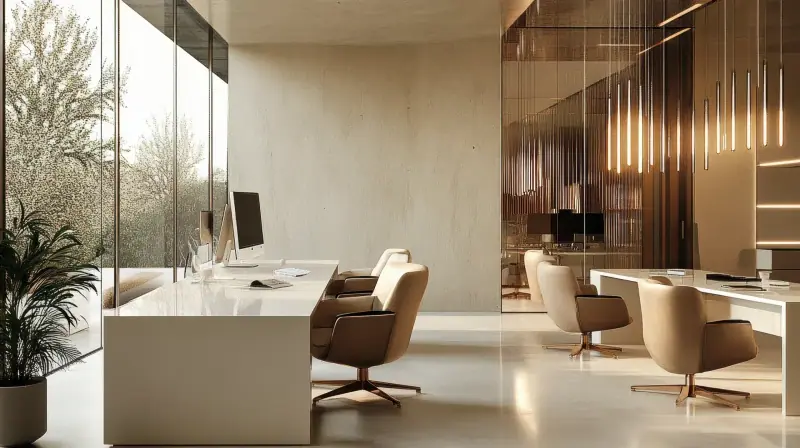
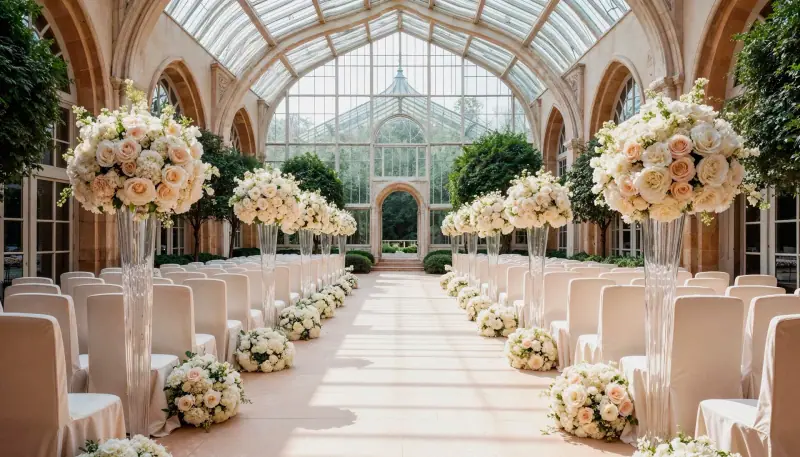
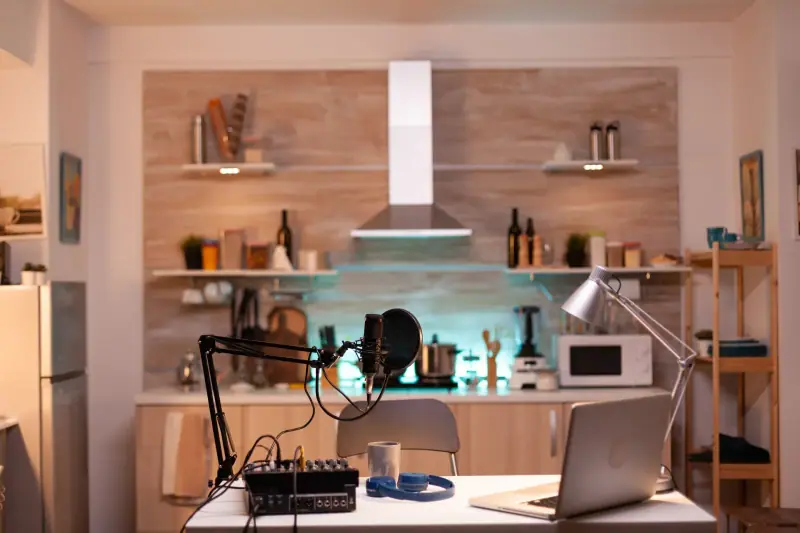
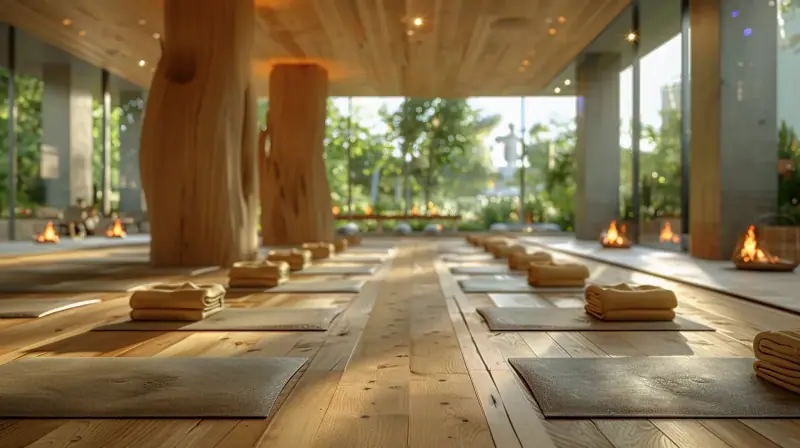





Neighborhoods
Popular neighborhoods in Washington DC
DC is small and dense, so the neighborhood matters more than the mileage. Pick the one your guests can walk to from their last appointment.
Downtown and the Golden Triangle
Law firms, associations and the K Street corridor. This is where to book a boardroom for a morning, and where lobby sign in, dock scheduling and insurance paperwork are strictest.
Dupont Circle
Converted townhouses with small meeting rooms and day offices, minutes from the Red Line. Suited to interviews, board meetings and quiet planning days.
Capitol Hill
Rooms within walking distance of the House and Senate office buildings, which is what an advocacy day needs. Eastern Market adds room for receptions.
Penn Quarter
Theaters, restaurants and private dining between the convention center and Capital One Arena. Evening events work because guests can eat and still catch a train.
Navy Yard
Newer buildings with proper freight access and bright event rooms near Nationals Park. Check the ballpark schedule before you set a date.
NoMa and Union Market
Converted warehouses with high ceilings for shoots, pop up events and workshops. Union Station is a short walk for anyone arriving by train.
Shaw
Smaller venues and studios around Blagden Alley, the right size for a dinner, a class or a launch for thirty or forty people.
U Street
Music rooms and bar spaces with sound systems already installed. Best for evenings, and loading in is usually off a busy sidewalk.
Georgetown
Historic rowhouses and upper floor rooms with river views. There is no Metro station here, so budget for traffic and send guests a garage name.
The Wharf
Waterfront rooms and terraces built for receptions and meetings that run all day, with garages underneath and water taxis in summer.
Foggy Bottom
Classrooms and training rooms around GWU and the international institutions, taken up by courses, briefings and long workshops.
Ivy City and Eckington
Warehouses, artist studios and distillery rooms for production days and anything that needs to be loud.
Prices
What it costs to rent a space in Washington DC
The ranges below are what each kind of space typically costs across major US metros, not a Washington price list. Read them as a starting point. Every listing states its own full price, with local taxes where we collect them, before you book, and guests pay no booking fee on top.
| Space type | Typical range | Good to know |
|---|---|---|
| Meeting rooms | $35 to $120/hr | Downtown boardrooms sit at the top of this band; a small room off Dupont Circle sits near the bottom. |
| Private offices | $20 to $80/hr | A day office within a few minutes of a Metro station costs more than one you have to drive to. |
| Creative studios | $40 to $150/hr | Lighting, grip and somewhere for a crew to change are what move a studio up the range. |
| Event venues | $80 to $400/hr | Terraces and waterfront rooms with a monument view are the expensive end, and the first to go. |
| Sports courts | $25 to $90/hr | Evenings and weekends carry the premium. Weekday mornings are the cheap hours. |
| Parking spaces | $5 to $25/hr | A bay near the Capitol or the arena is worth far more on an event day than on any other day. |
How it works
How booking works
From search to the door, in four steps.
Search
Filter by location, purpose, headcount and budget. Results are ranked by fit, never by ad spend.
Compare
Real photos, honest reviews and the full price, taxes and cleaning included, side by side.
Book
Instant confirmation on most listings. Pay by card or invoice, cancel free up to 24 hours out.
Enjoy
Access codes, parking notes and the host’s number arrive before you leave. Support is on standby.
Local guide
Your guide to renting space in Washington DC
Most of what catches out a renter new to the city is about getting through the door: who has to clear security, which elevator you may use, and what the building wants from your insurer. Ask all three before you pay.
Plan around federal security, not through it
Getting a group into a federal building takes advance notice, a list of names and ID at the door, and it still takes time. That is the main reason associations and visiting teams book private space a few blocks away and invite government staff to come to them.
Street closures are the other half. Motorcades, demonstrations and state visits can shut a block at short notice near the White House, the Capitol and the main agency buildings. If your room is inside that ring, tell guests which corner to approach from and keep a second entrance in mind.
Loading docks and freight elevators are booked, not borrowed
In a downtown office building the freight elevator is scheduled, the dock is scheduled, and access after hours runs through building security. A caterer who turns up unannounced waits on the sidewalk.
Ask the host two things: what the building needs in writing, and by when. Many buildings also want a certificate of insurance naming them, and the limits and wording vary from building to building. An insurer can usually issue one the same week, but not the same hour.
Low buildings, long sightlines
Federal height limits keep DC low, so a roof here looks across the city instead of down on it. That is why terraces facing the Capitol dome or the Washington Monument command a premium, and why they are booked out months ahead in spring and fall.
If the view is the reason you are booking, confirm what is visible from the part of the roof you actually get, and whether a railing or an awning cuts the line. Listing photos tend to be taken from the best square yard up there.
Metro, the curb, and the last train
Most guests arrive by Metro, so a room a few minutes from a station fills faster than a better room that is not. Georgetown has no station at all, which is worth saying in the invitation rather than leaving people to work it out at the curb.
Metro does not run all night, and the last train is earlier than visitors expect, so check the final departure on your line before you set an end time. For an evening mixer that is the real constraint: people stay while the trains run and leave together when they stop. Curb space in Dupont, Capitol Hill and Georgetown is mostly zoned for residents, so if guests are driving, send a garage name, not just an address.
Seasons, sessions and the permit question
The city has two tight seasons: spring, when blossom crowds and conference weeks overlap, and the stretches when Congress is sitting and every advocacy group is in town at once. August and late December are when you can still get the room you actually wanted.
Anything on the National Mall or other park land is federal property and needs a National Park Service permit, which is a separate process from booking a space. For amplified sound outdoors, or a bar at a private event, ask what the venue already holds. A licensed venue or a licensed caterer saves you an application.
FAQ
Questions about renting space in Washington DC
Can I find a meeting room near Union Station?
Yes. The blocks around Union Station and into NoMa have conference rooms and day offices, which is the usual choice for groups arriving on Amtrak, MARC or the Red Line. If people are coming from the Hill, look at Capitol Hill rooms too, because the walk is short and it avoids the station crowds. The minimum booking is one hour.
We have an advocacy day on the Hill. Where should the team base itself?
Book a room within walking distance of the House and Senate office buildings and treat it as your base between appointments. Entry details, the floor and the door code arrive in the Akkontra app before your booking starts, so people can let themselves in between meetings without waiting for whoever has the key.
Where should we hold an evening mixer in Washington DC?
Pick a room guests can reach from their last appointment and leave by train. Penn Quarter, Shaw and The Wharf all suit a reception that starts when the work day ends, and all three put people near food and a station. Set the end time around the last departure on the busiest line, and ask the host how a bar is licensed before you plan one.
Will my guests be screened at the space itself?
Not at a privately listed space, although a downtown office building may ask visitors to sign in with photo ID at the lobby desk. The screening everyone is thinking of applies inside federal buildings, which is exactly why these rooms get booked. Every host is ID verified before a listing goes live.
Can I book a rooftop with a view of the monuments?
Terraces facing the Capitol or the Monument show up around Navy Yard, The Wharf and Downtown. They are the first spaces to go in April, May, September and October, so book early and ask about the weather plan. The indoor room that comes with the roof is the part worth checking.
What if a street closure blocks the venue on the day?
Put the nearest Metro station and an alternate approach in your invitation, and message the host through the app if access changes. If you cannot get in, or the space is not as listed, support will find you an alternative or refund you.
Is parking included, or should guests take Metro?
Treat Metro as the default and parking as the exception. Some listings include a bay or garage validation and say so, but many in Dupont Circle, Georgetown and on Capitol Hill have none, because the curb outside is zoned for residents. If you need vehicles on site, book a parking space as its own listing.
How late can I cancel if my meeting moves?
Most spaces allow free cancellation up to 24 hours ahead, and you can move or cancel from your bookings list in the app. Each listing states its own window before you pay, which matters here, because schedules on the Hill change late in the day.
DC metro area
Spaces in nearby markets




Coming soon to iPhone and Android.