
Book by the hour
Sports & Recreation Space by the Hour, for Clubs and Leagues
Sport is how a lot of people meet each other. A pickup league needs two hours on a Tuesday, not a membership. A youth clinic needs the same Saturday slot for ten weeks. A company team needs one court for one afternoon. Recreation has traditionally been sold as a season or a subscription, which is why so much of it sits unused, and why the hour is the unit that actually matches how people play.
The supply already exists: school and community gyms dark after six, private clubs with quiet hours to fill, warehouse bays converted into courts, turf fields with a gap between league blocks. Akkontra opens those hours one at a time. A team gets on the floor without anyone signing up for a year, a club can hold the same slot every week until it has a roster, and the host sells time they were never going to use.
- Across 8 US markets

What's included
What counts as sports and recreation space
Indoor court
A hardwood or synthetic sport floor lined for basketball or volleyball, in a gym, a field house or a converted warehouse bay. Clear ceiling height is the specification that matters most and the one listings most often leave out.
Pickleball and tennis court
Dedicated or temporarily lined courts, indoor or outdoor. Floodlights decide what an outdoor court is worth, because the hours people want are the ones after work.
Indoor turf
Artificial turf for soccer, futsal, lacrosse, flag football and conditioning, usually divisible into thirds so three groups can rent at once. Ask which share you are getting and whether the divider nets will be down.
Gymnasium and multipurpose floor
A school or community gym with retractable hoops and often a stage at one end. Inexpensive, widely available in the evening, and subject to the building’s own rules on footwear, food and amplified sound.
Studio and mat floor
A sprung or matted floor with mirrors and a sound system, for dance, martial arts, cheer and gymnastics. Floor construction is not cosmetic here: a hard floor rules out tumbling.
Pool lane and aquatic time
Lap lanes or time on the whole pool in short blocks. Almost every host requires certified lifeguard cover on deck, and whether they supply it or you do changes both the price and the paperwork.
Batting cage and practice bay
Netted cages, bullpens and hitting or golf simulator bays, booked in blocks of thirty minutes and hours for practice alone or in a small group.
Ice time
Sheets of ice sold by the hour, mostly at the edges of the day. Lead times run long because league schedules claim the good slots a season ahead.
Outdoor field and ball diamond
Grass or turf fields and diamonds for games, practices and tournaments. Permits, playability after rain and who lines the field are the three things to settle before the date.
By market
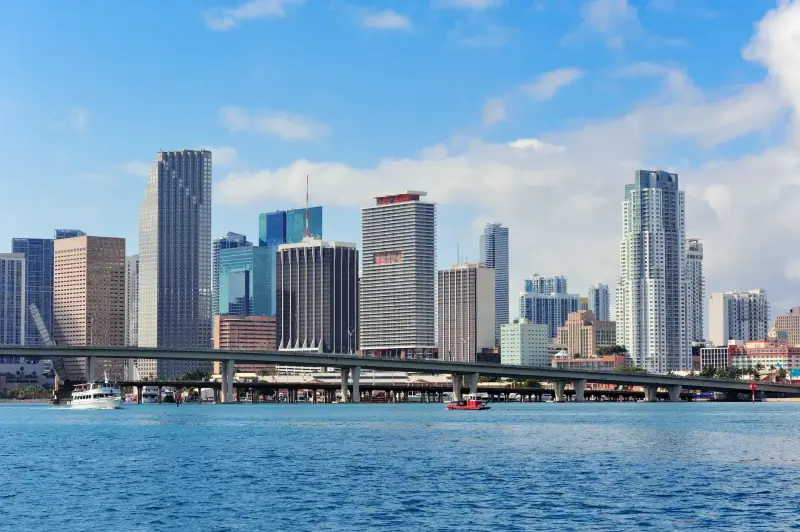
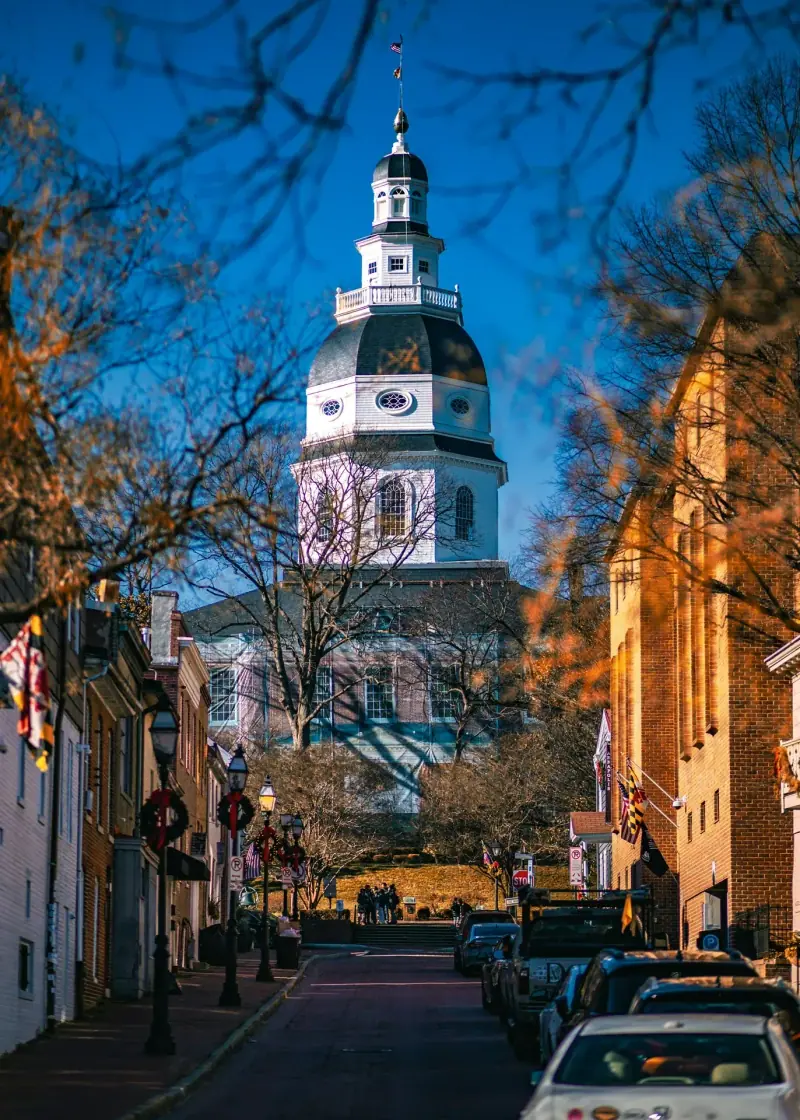
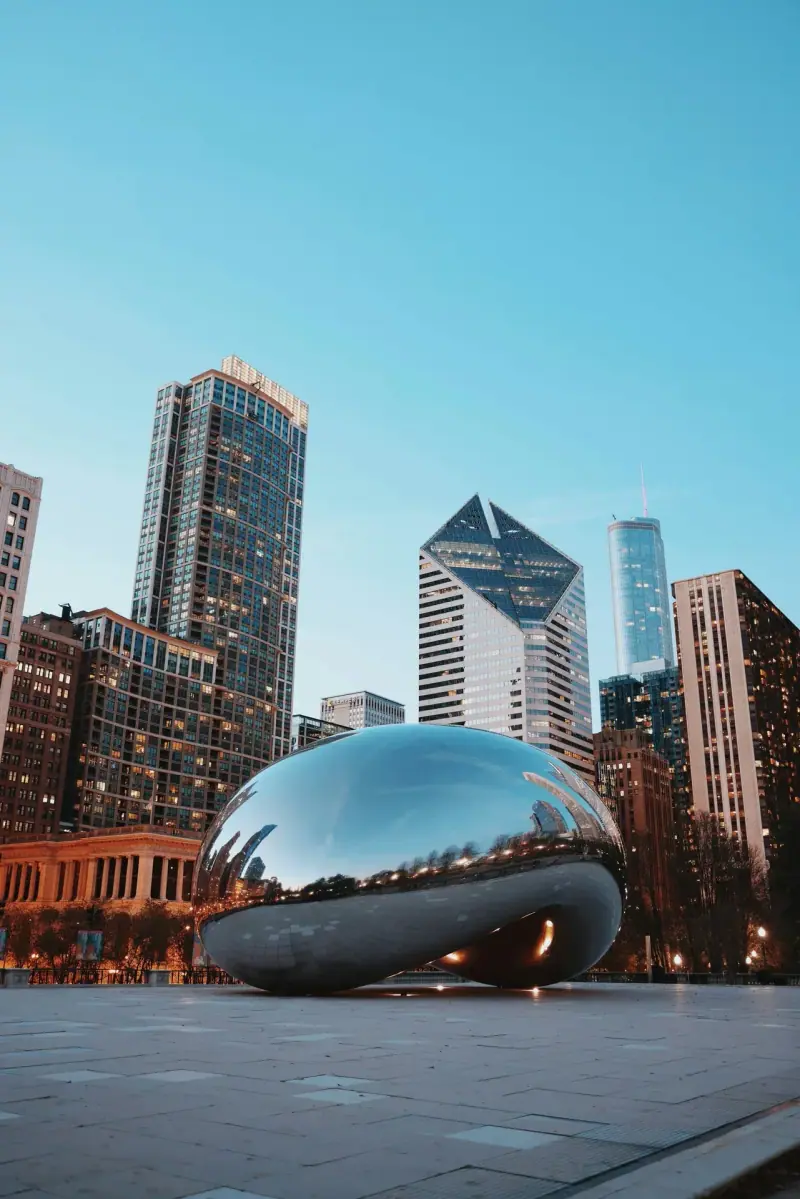
Sports & Recreation by city
Each market has its own page with neighborhoods, prices and local notes.







Prices
What courts, fields and gyms cost
Indicative ranges only. Akkontra publishes a typical hourly band for sports courts in its host earnings calculator; the remaining rows say what moves the price, because there is no published band to quote for them. Each listing shows the full price, including any cleaning or staffing the host adds, before you book.
| City | Typical range | Good to know |
|---|---|---|
| Sports court | $25 to $90/hr | The band Akkontra publishes for sports courts in its host earnings calculator. |
| Indoor turf | Priced by the share of the surface: a third, a half or the whole field | |
| Gymnasium or multipurpose floor | Priced by the hour, often with a charge for building staff outside normal hours | |
| Studio or mat floor | Priced by floor area and construction; sprung and matted floors cost more than hard ones | |
| Pool lane | Priced per lane per hour, plus lifeguard cover where the host provides it | |
| Batting cage or practice bay | Priced in blocks of thirty minutes, by bay and by whether a pitching machine is included | |
| Ice time | Priced by the hour, with peak evening and weekend sheets costing the most | |
| Outdoor field or diamond | Priced by the hour, plus floodlights, lining and any permit the host passes through |
Guide
How to choose sports and recreation space
Nearly every bad booking in this category comes from a dimension nobody checked or a rule nobody mentioned. Five questions clear almost all of it.
Capacity is a question about dimensions, not headcount
A court listing’s guest limit tells you how many people the host will admit, not what fits. Work from the sport instead. A regulation high school basketball court is 84 by 50 feet and a college or professional court is 94 by 50. A volleyball court needs roughly 30 by 60 feet of playing surface plus a clear margin on every side, and a pickleball court is 20 by 44 feet with a safety margin that most converted rooms do not have. Ask for floor dimensions and the margin around them, not square footage.
Then ask for clear ceiling height. Volleyball, badminton and any serious shooting practice need height above the floor with nothing hanging in it. Ductwork, light fittings and one low beam over a baseline have ruined more bookings in converted industrial space than floor size ever has.
Surface, equipment and lights: confirm these in messages first
Surface and footwear: what the floor is made of, whether nonmarking shoes are required, whether cleats are banned. Equipment: who supplies balls, nets, paddles, bases and the scoreboard, and whether nets are already up or someone has to raise them inside your hour. Floodlights: on an outdoor court, who switches them on, how long they take to reach full output, and whether they are in the rate.
Then the administration. How many spectators are allowed and where they sit, whether food, drink and amplified music are permitted, what the restroom and changing arrangements are, and who is on site when a door turns out to be locked. Many hosts need a waiver signed by every player, and a paid clinic or league often needs a certificate of insurance. Ask early, because a certificate takes days rather than minutes.
Hourly, daily and seasonal: run the numbers before the season starts
A single game or practice is an hourly booking and should stay one. A tournament, clinic or camp day is usually cheaper as a block, because the host avoids turning the facility over between groups and will price that in.
A recurring league is the case worth negotiating. Compare ten separate hourly bookings against a block for the same ten weeks, and ask the host which hours are quiet, because a facility with an empty seven in the morning or an empty Sunday evening has far more reason to discount than one selling the weekday slot everybody wants. A standing slot is also what turns a group of players into a club: same floor, same night, and people start bringing a friend. The minimum booking on Akkontra is one hour, so try a venue once before you commit a season to it.
Weather and season decide which slots actually exist
Every outdoor booking needs a stated rain plan: who decides a field is unplayable, how late that call can be made, and whether you get a credit or a reschedule. Ask rather than assume, because hosts’ answers to this vary far more than their prices do.
Indoor availability is seasonal in the opposite direction. In northern metros, leagues buy out indoor turf and court time from late fall through winter and the open slots are early mornings and late evenings. In metros with hot summers the same squeeze lands in July and August. Book the season you need two months before it starts, not two weeks.
Pitfalls specific to sports bookings
The frequent ones: booking an hour that has to include raising a net; arriving to find a divider curtain means you have a third of the turf rather than the field in the photograph; discovering the only restroom is through a locked school corridor; and assuming a pool booking includes a lifeguard when it does not.
Two concern liability. Check whether your group needs its own coverage for a paid session, and whether participants under eighteen trigger a supervision ratio the host enforces. Then check who files an incident report if somebody is hurt. Guests on Akkontra are ID verified and hosts can report damage within 48 hours of checkout, but a venue’s own safety rules sit on top of that, not instead of it.
FAQ
Questions about Sports & Recreation
Can I use a court for a club night or a company social?
Yes, and one hour is the shortest booking the platform takes, so a club night open to new players or an after work company game fits inside a single slot. Tell the host the total number of people coming rather than the number playing, because spectators, food and amplified music are each permitted space by space. Build warm up and any net setup into the hour you reserve.
What should I ask about ceiling height?
Ask for the clear height above the playing surface and whether anything hangs into it. Volleyball and badminton need real height; basketball needs it over both baselines. A converted warehouse bay can have a tall roof and a low duct in exactly the wrong place.
Do I need insurance or waivers for a league or a clinic?
Many hosts require a signed waiver from every participant, and a paid clinic or league frequently needs a certificate of insurance. Settle both in messages before you book a series, since a certificate can take several days to issue.
What happens if it rains on an outdoor booking?
The rain policy is the host’s and it is stated on the listing. Ask who makes the call and by when. Free cancellation on most spaces runs to 24 hours ahead, which is earlier than a forecast is reliable, so agree the plan in writing rather than relying on the cancellation window.
Is equipment included?
Only what the listing names. Balls, nets, paddles, bases, pitching machines and scoreboards are listed individually by the hosts who provide them. If nets are not already up, ask whether raising them counts against your booked time.
Can spectators come, and is there parking?
Ask about both. Some hosts cap the number of people in the building rather than the players on the floor, and a gym that comfortably holds eight players can have nowhere to put sixteen parents. Parking is listed per space; in dense metros, assume there is none unless the host says otherwise.
Do pool bookings include a lifeguard?
Sometimes, and it changes the price. Most aquatic hosts will not let a group swim without certified cover on deck, so confirm whether they supply it, whether you may bring your own, and which certifications they accept.
Can I hold the same slot every week for a season?
Yes, and it is worth asking the host directly. Reserve each week separately so every date is confirmed, or ask about a block for the whole run. Hosts discount their quiet hours far more readily than the weekday evening everyone competes for.




Coming soon to iPhone and Android.