
Book by the hour
Creative Studios for Crews and Creator Groups, by the Hour
A shoot day is costed in hours, so the room has to be priced the same way. Akkontra opens the hours when studios, stages and treated rooms are sitting dark, which for most of them is most of the week. A crew of two can take a cyclorama for an afternoon. A podcast can take a treated room for the ninety minutes it takes to record two episodes. Neither has to carry a lease.
The regulars are photographers and videographers on client work, podcast and voice over producers, content teams shooting a month of social in one day, musicians tracking and mixing, livestreamers who need an upload they can trust, and brands shooting product on a white sweep. Creator groups book the same rooms for a different reason: a weekly studio night, a lighting workshop for whoever signs up, a screening for everyone who worked on the film. What they share is heavy gear, a tight window to carry it in, and a tolerance for noise nobody else in the building has.
- Across 8 US markets

What's included
What counts as media and creative space
Photography studio
Open floor, high ceiling, controllable light and usually a cyclorama or a paper backdrop system. Ceiling height and sweep width decide what you can frame.
Podcast studio
A treated room with microphones, an interface, headphones at every chair and often cameras on the table. Booked in blocks of two to four hours, because setup is the expensive part.
Video or film stage
A blacked out box with a grid or stands, distributed power and a door a flight case fits through. Sound isolation matters here more than square footage.
Recording and music studio
A live room and a control room, with an engineer sometimes included and sometimes an extra line on the invoice. Ask which, and ask what is already patched in.
Livestream or broadcast room
A standing set, lighting that needs no rigging and a wired connection whose upload speed you can test. The connection is the entire proposition.
Content or creator set
A furnished room dressed as a kitchen, an office or a living room, rented for social clips and short videos. Quick to shoot in and close to impossible to restyle.
Editing and post suite
A quiet room with a calibrated display and a fast connection, taken for a day when a client wants to sit in on the cut.
Location house or practical location
A real apartment, loft or storefront rented as a backdrop, where the look is the product and the constraint is that somebody lives or works there.
By market
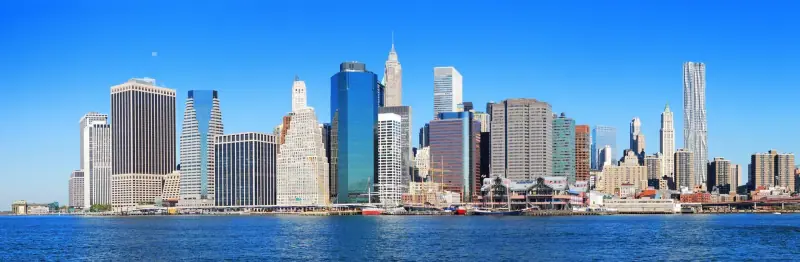
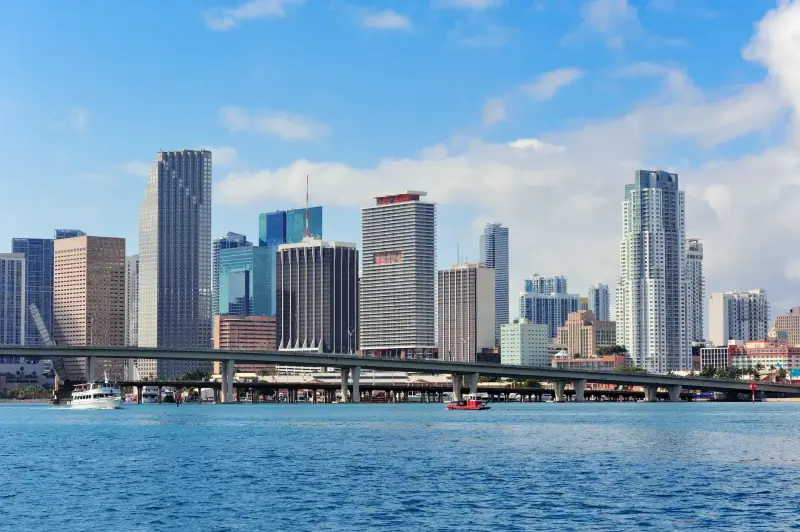
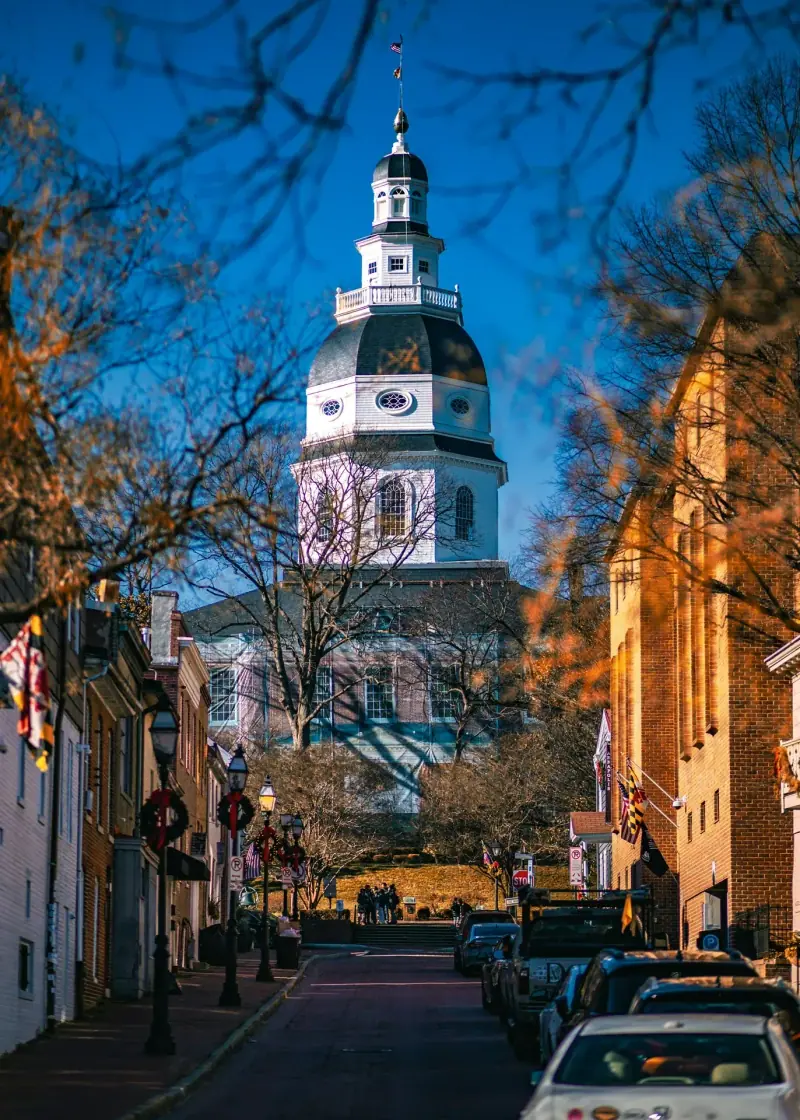
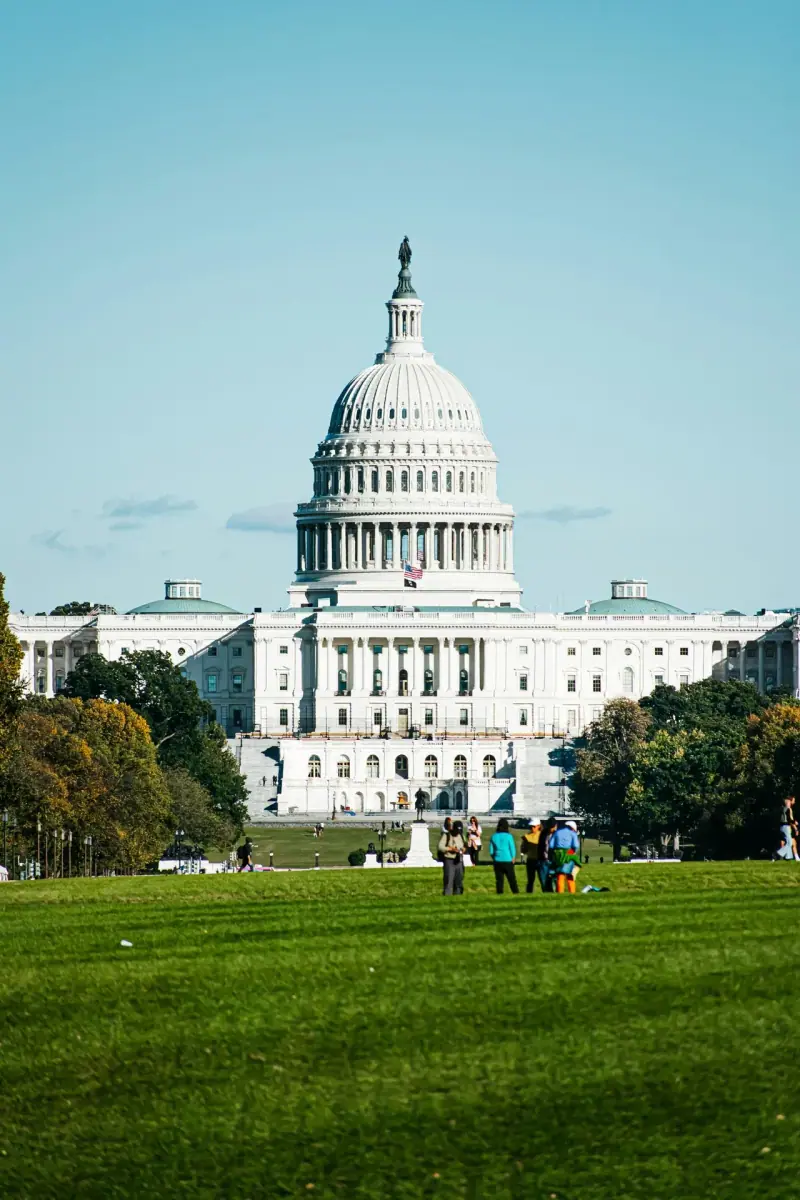
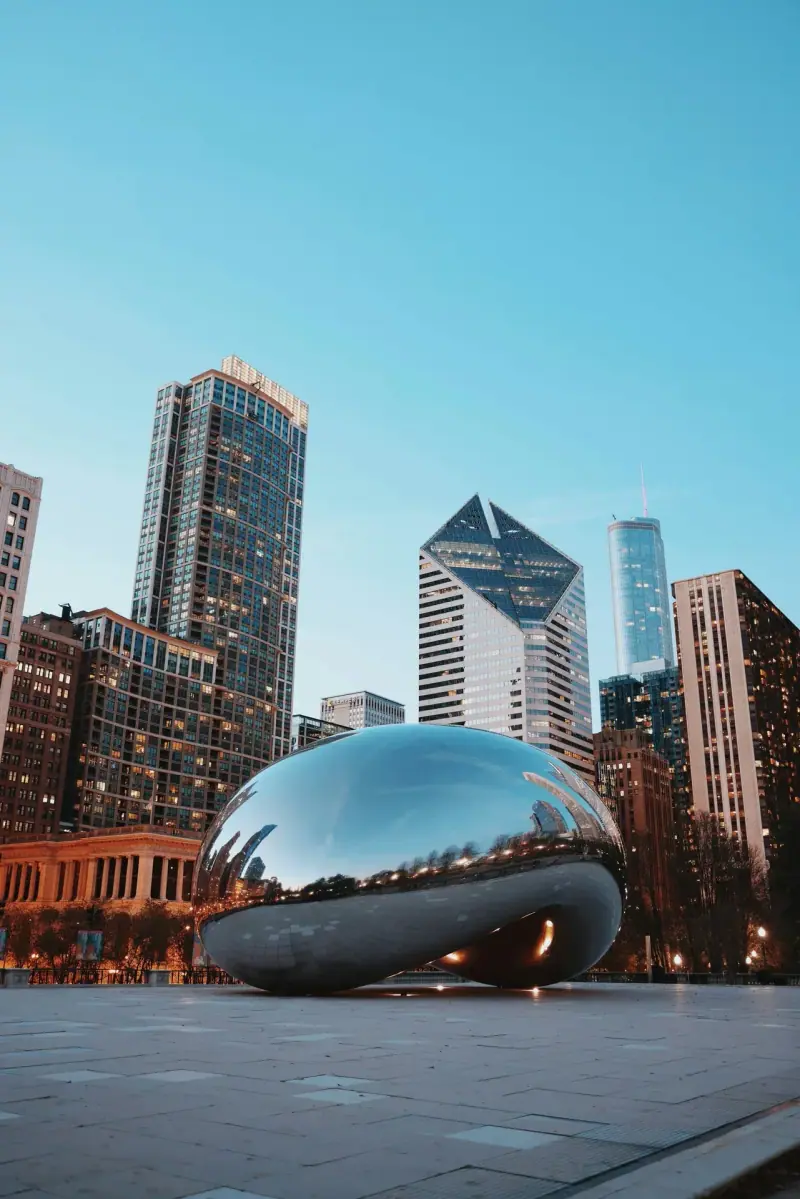
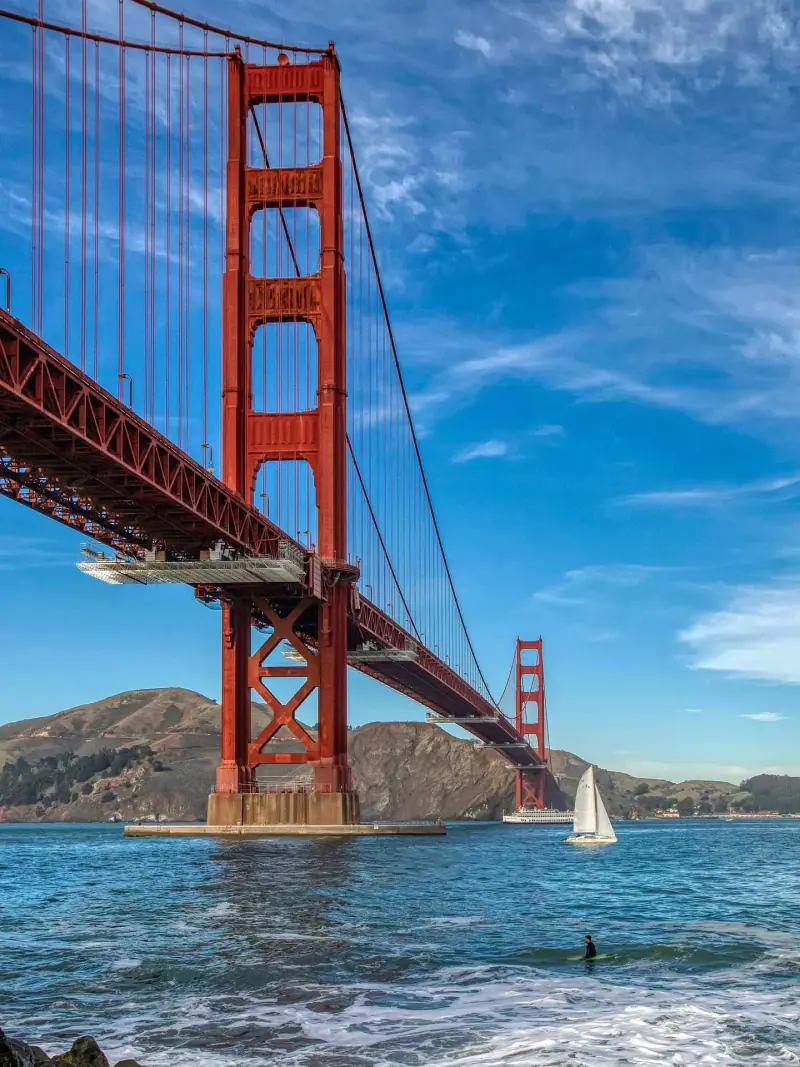
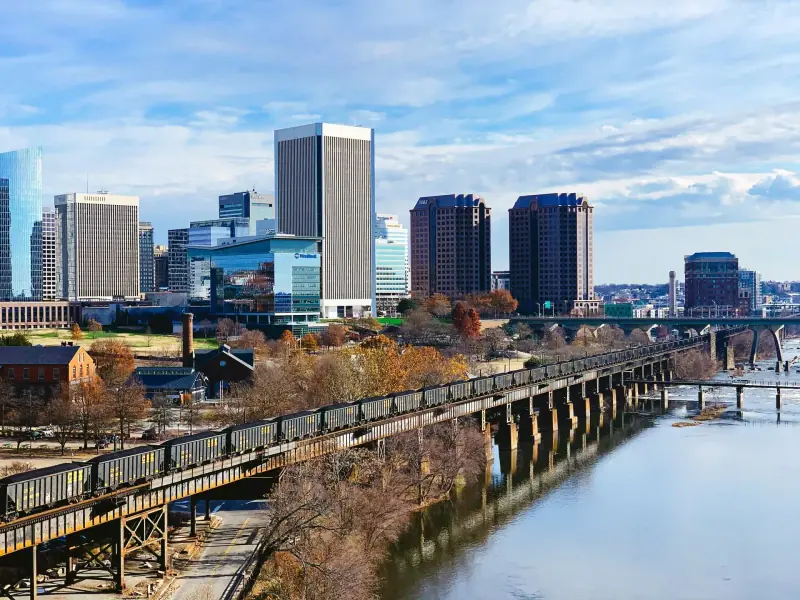
Media & Creative by city
Each market has its own page with neighborhoods, prices and local notes.


Prices
What a media or creative studio costs
Creative studios are the only rooms here with a published range on this site; the remaining rows name what moves a price instead of guessing at one. Gear is the variable that catches people out, because a room and the lights in it are frequently two separate numbers. What a studio actually costs is on its own page, cleaning and collected taxes included, before you confirm anything.
| City | Typical range | Good to know |
|---|---|---|
| Creative studio | $40 to $150/hr | Taken from the typical range in Akkontra's host earnings calculator. A daylight room sits low in it; a stage with a cyc wall and a lighting grid sits high. |
| Photography studio | Priced by ceiling height, sweep width and included lighting | |
| Podcast studio | Priced by the number of chairs and whether cameras come with it | |
| Video or film stage | Quoted by the day or half day, with power and grid itemized | |
| Recording studio | Priced by the room, plus an engineer where one is required | |
| Livestream room | Priced by the hour with the set and the wired uplink bundled | |
| Equipment, grip and crew | Charged separately on most listings | Confirm what is in the room before you cost the day, not after. |
| Location house | Priced per day, with a limit on cast and crew in the agreement |
Guide
How to choose a media or creative studio
Judge a studio on four things, in this order: whether your gear can get in, whether you can control the light and the sound, whether there is enough power, and whether the booking is long enough for the day you planned. Everything else is styling.
Ceiling height and sweep width decide the shot, not floor area
A room of 1,200 square feet with a nine foot ceiling cannot light a standing portrait from above, and a cyclorama twelve feet wide cannot hold three people and a prop table in one frame. Ask for the ceiling height, the usable width of the sweep, and the distance from the back wall to where a camera can actually stand.
For video, add the depth you need behind the camera as well. A long lens in a short room is the most common reason a set has to be rebuilt at the worst possible point in the day.
Loading in is the part most shoots get wrong
Work backwards from the truck. Is there a dock or a curb cut, how far is the door from where you can park, is there an elevator and what hours does it run, and does the building want crew names in advance. A flight case that will not fit a passenger elevator has ruined more shoot days than bad weather.
Then establish what the host counts as your booking. On many listings the clock starts when you arrive and stops when the room is clear, which turns a four hour shoot into a six hour booking.
Power and sound, before anything about the look
Add up what you intend to plug in. Continuous LED panels are modest; HMI and tungsten are not, and a room on domestic circuits will trip when somebody fills the kettle. Ask how many 20 amp circuits are available and how many separate breakers they sit on.
Sound is the other half of it. A room that looks quiet above a bar, beside an elevator shaft or under a flight path will turn up on every take. Ask what the room sounds like at the time of day you are booking, not in general.
Hourly suits a session, but the day rate usually wins
Hourly is right for a podcast, a headshot session or a single product set, anything you can walk in and start. The moment you are building, dressing or lighting a set, a day rate is almost always the smaller number, and it takes the clock off the part of the job that always overruns.
If the work repeats, a weekly show or a monthly content day, ask the host about a standing slot. A studio with a reliable Tuesday is worth more to a host than a slightly higher single booking, and both sides generally know it. It is also what lets a creator group, a podcast collective or a photo club meet in one room every week instead of hunting for a new one each time.
Rights, releases and what you may do with the footage
Booking a space does not clear it for every use. Ask whether the listing permits commercial work, whether the host expects a credit, and whether anything in the room, such as artwork, branded furniture or a visible logo, has to stay out of frame. For a location house, also ask who else will be in the building while you shoot.
Anything filmed outside the space you rented, including the sidewalk and the facade, is a question for the city rather than the host.
What you find out too late on a first booking
Three recurring ones, in order of frequency. The studio has no table, no stool and nowhere to put a laptop, because it was photographed empty. The WiFi cannot carry a tethered upload or a live stream, and nobody tested it before the guest arrived. And the stated capacity counts people, not the rolling rack, the steamer and the four cases they came in with.
FAQ
Questions about Media & Creative
Is lighting and camera equipment included in the hourly rate?
Only what the listing lists. Many hosts include a basic strobe or LED kit and charge for anything beyond it; others rent the room alone. Read the amenities, then message the host with the specific list you are counting on.
Can I run a workshop or a creator meetup in a studio?
Yes, as long as the listing's capacity covers everyone and the host knows people are coming to watch rather than to shoot. Ask where the group will sit, how many outlets reach them, and whether the room gets dark enough for a screening. If the night repeats, ask the host to hold the same evening each month.
Can I bring a crew, and does everyone need to be named?
Bring whoever the listing's capacity allows. Buildings with a staffed desk or a secured lobby often want crew names a day ahead, and some production spaces ask for a certificate of insurance, so raise both when you book rather than on the morning.
Do I need a permit to shoot in a space I booked?
Not for the space itself. Permits apply to filming on public property, so the sidewalk, the street and the exterior of the building are a city question. If your shot list leaves the front door, check with the local film office first.
How long should I book for a podcast or a photo session?
Add setup and packing down to the recording time and round up. Two episodes usually fit a three hour booking, a headshot session with two looks fits two, and anything that involves building a set is better taken as a half day.
Can I use the footage commercially?
Ask the host, because it is set per listing rather than per category. Some hosts allow all commercial use, some want a credit, and some restrict what may appear in frame. Agree it in the message thread before the shoot, not in the edit.
What internet speed can I expect?
Treat the advertised speed as a claim to test. If you are tethering a camera, uploading rushes or going live, ask the host for a wired connection and run a speed test in your first ten minutes so there is still time to change plan.
Is there somewhere to store gear between booked days?
Rarely, unless the listing says so. For a build that runs over more than one day, ask the host directly whether the room stays locked and untouched overnight, because a stage that is rented to someone else at seven in the morning is not storage.




Coming soon to iPhone and Android.